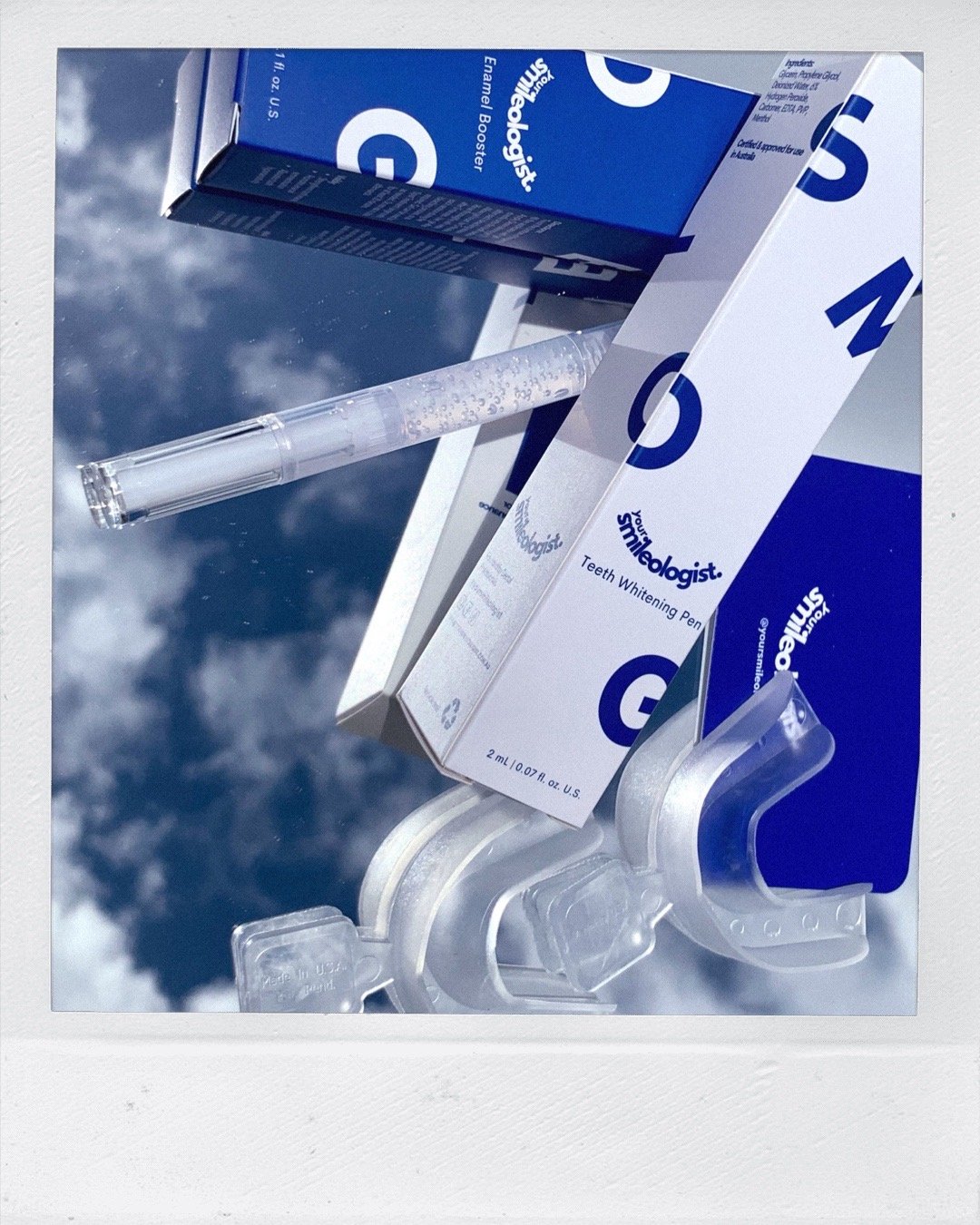

A brighter smile can transform your confidence and the way you present yourself to the world. If you've been considering teeth whitening in Australia, you're not alone — it's one of the most popular cosmetic dental treatments requested by patients today.
But with so many options available, from in-chair professional treatments to at-home kits and over-the-counter products, it can be overwhelming to know where to start. This comprehensive guide covers everything you need to know about teeth whitening in Australia, including how it works, what to expect, the regulations that protect you, and how to choose the right treatment for your needs.
As an AHPRA-registered oral health therapist with over 600 clients across Adelaide and Sydney, I've performed hundreds of whitening treatments and answered thousands of questions about the process. This guide brings together that experience to help you make an informed decision about your smile.
How Teeth Whitening Works: The Science Behind the Smile
Teeth whitening works by using active ingredients — typically hydrogen peroxide or carbamide peroxide — to penetrate the enamel and break down the molecules that cause discolouration. These molecules, called chromogens, are responsible for the yellow, brown, or grey tones that develop on teeth over time due to food, drinks, smoking, ageing, and other factors.
When the peroxide gel is applied to your teeth, it releases oxygen molecules that penetrate the porous structure of your enamel. These oxygen molecules react with the discoloured molecules, breaking them into smaller, less visible particles. The result is a lighter, brighter tooth colour that looks natural and radiant.
"The key difference between professional and over-the-counter whitening is the concentration of active ingredients and the controlled delivery system. Professional treatments use higher concentrations under dental supervision, achieving faster and more dramatic results."
Hydrogen peroxide works quickly but breaks down faster, making it ideal for in-chair treatments where you want immediate results. Carbamide peroxide breaks down more slowly into hydrogen peroxide, making it better suited for take-home trays where you want a gentler, extended whitening effect over several days or weeks.
The enamel itself is not altered during the whitening process — the treatment only affects the colour molecules within and beneath it. This is why teeth whitening is considered a safe, non-invasive cosmetic treatment when performed correctly.
Types of Teeth Whitening Available in Australia
In Australia, you'll encounter three main categories of teeth whitening products and services. Understanding the differences will help you choose the most effective option for your goals and budget.
In-Chair Professional Whitening
This is the gold standard of teeth whitening. Performed in a dental clinic by an AHPRA-registered dental professional, in-chair treatments use high-concentration peroxide gels (up to 44% hydrogen peroxide or equivalent in carbamide peroxide) combined with specialised LED or laser light systems to accelerate the whitening process.
At The Gemist Hub, we offer two professional whitening treatments: our Professional Whitening Treatment at $349 and our Platinum Whitening Treatment at $449. Both treatments include comprehensive pre-treatment consultation, professional-grade whitening, and post-treatment care guidance.
The entire appointment typically takes 60-90 minutes, and you'll see results immediately. Most clients achieve 4-8 shades lighter in a single session, with the full effect becoming visible within 48 hours as the teeth rehydrate.
Take-Home Professional Whitening Trays
Custom-fitted trays created by a dental professional and used at home with professional-strength gel offer a more gradual whitening approach. The trays are made from moulds of your teeth, ensuring the gel stays in contact with your enamel evenly and doesn't leak onto your gums.
This method uses lower concentrations than in-chair treatments (typically 10-22% carbamide peroxide) and requires daily application for one to two weeks. While it takes longer to see results, many people find take-home trays more convenient and less likely to cause sensitivity.
Over-the-Counter Whitening Products
Supermarket and pharmacy shelves are filled with whitening toothpastes, strips, pens, and generic trays. These products are readily available without a prescription, but they're limited by Australian regulations to a maximum of 6% hydrogen peroxide or 18% carbamide peroxide.
While these products can provide modest improvements — usually 1-2 shades lighter over several weeks — they're significantly less effective than professional treatments. The lower concentrations mean slower results, and the one-size-fits-all delivery systems often lead to uneven whitening or gum irritation.
Ready to transform your smile? Book a professional whitening consultation with Nhi at The Gemist Hub. Book your appointment today and discover the difference professional expertise makes.
Professional vs At-Home Whitening: Which Delivers Better Results?
The debate between professional and at-home whitening comes down to three factors: efficacy, safety, and speed.
Efficacy: Professional treatments use concentrations up to seven times stronger than over-the-counter products. This translates to more dramatic results — professional whitening can lighten teeth by 4-8 shades in a single session, while at-home kits typically achieve 1-3 shades over several weeks.
Safety: When you choose professional whitening, a dental professional assesses your oral health first, checking for cavities, gum disease, or other contraindications. The treatment is performed under controlled conditions with protective barriers for your gums and soft tissues. At-home products don't offer this level of oversight, increasing the risk of gum irritation, uneven results, or misuse.
Speed: If you need results for a specific event — a wedding, job interview, or special occasion — professional whitening is the clear winner. You'll leave the clinic with a noticeably brighter smile the same day. At-home kits require consistent daily use for weeks before you see comparable results.
That said, at-home whitening can be a good maintenance option between professional treatments or for those with mild discolouration who aren't seeking dramatic change. For a detailed comparison, read our article on professional vs at-home whitening.
Australian Regulations on Teeth Whitening: What You Need to Know
Australia has some of the strictest regulations on teeth whitening in the world, and for good reason — these rules are designed to protect your safety and ensure treatments are effective.
Under Australian law, only AHPRA-registered dental professionals (dentists, oral health therapists, dental hygienists, and dental therapists working under dentist supervision) can legally perform teeth whitening treatments using concentrations above 6% hydrogen peroxide or 18% carbamide peroxide.
Professional dental clinics can use products up to 44% hydrogen peroxide or the equivalent in carbamide peroxide (around 132%). This is a significant difference — professional-strength products deliver results that are simply not possible with over-the-counter alternatives.
Beauty salons, spas, and mobile whitening services that are not operated by registered dental professionals are not legally permitted to offer teeth whitening services using professional-strength products. If you encounter such services, proceed with caution — they may be operating outside the law, and you have no regulatory protection if something goes wrong.
"Always verify that your whitening provider is AHPRA-registered. This ensures they have the training, expertise, and accountability to perform the treatment safely and legally."
You can verify a provider's registration status on the AHPRA website. Look for their registration number and confirm their profession is listed as dentist, oral health therapist, dental hygienist, or dental therapist.
Who Can and Cannot Whiten Their Teeth: Contraindications and Considerations
While teeth whitening is safe for most people, it's not suitable for everyone. A thorough consultation with a dental professional will assess whether whitening is appropriate for you.
You May Not Be a Candidate If You Have:
- Untreated cavities or tooth decay: Whitening gel can penetrate cavities and reach the inner layers of the tooth, causing pain and potential damage. Any decay must be treated before whitening.
- Gum disease or receding gums: Exposed tooth roots are more sensitive and don't respond to whitening. If your gums are inflamed or infected, whitening can worsen the condition.
- Extensive dental restorations: Crowns, veneers, bridges, and fillings do not whiten. If you have visible restorations on your front teeth, whitening may result in mismatched colours. In some cases, restorations may need to be replaced after whitening to match your new shade.
- Pregnancy or breastfeeding: While there's limited evidence of harm, most dental professionals recommend postponing whitening until after pregnancy and breastfeeding as a precautionary measure.
- Severe tooth sensitivity: If you already experience significant sensitivity to hot, cold, or sweet foods, whitening may exacerbate the issue. A desensitising treatment plan may be required first.
- Unrealistic expectations: Whitening works best on yellow-toned teeth caused by surface stains and ageing. Grey or brown discolouration from certain medications (like tetracycline) or internal staining may not respond as well.
A comprehensive consultation will identify any of these issues and help determine the best course of action. In some cases, alternative cosmetic treatments like veneers or bonding may be more appropriate.
What to Expect at a Professional Teeth Whitening Appointment
If you've never had professional whitening before, knowing what to expect can help you feel more comfortable and prepared.
Pre-Treatment Consultation
Your appointment begins with a consultation where your dental professional will assess your oral health, discuss your whitening goals, and explain the process. This is the time to mention any concerns, ask questions, and review your current shade using a shade guide.
Before your appointment, you may be advised to complete a pre-whitening preparation routine, which often includes a thorough clean to remove plaque and surface stains. Clean teeth allow the whitening gel to work more effectively.
The Whitening Process
Once you're ready, the dental professional will place a protective barrier over your gums and soft tissues to prevent irritation from the whitening gel. The gel is then carefully applied to the front surfaces of your teeth.
Depending on the system used, an LED or laser light may be directed at your teeth to activate and accelerate the whitening process. You'll relax for 15-20 minutes per cycle, and the process is usually repeated two to three times during the appointment.
The treatment is painless for most people, though you may feel a slight tingling sensation as the gel works. If you experience discomfort, let your provider know immediately — they can adjust the treatment or apply a desensitising agent.
Post-Treatment Care
After the gel is removed and your teeth are rinsed, your dental professional will review your new shade and provide aftercare instructions. You'll be advised to avoid staining foods and drinks (coffee, tea, red wine, berries, tomato sauce) for at least 24-48 hours while your enamel rehydrates and stabilises.
You may also receive a fluoride treatment or desensitising gel to take home, especially if you have a history of sensitivity. Following these aftercare guidelines will maximise your results and minimise any post-treatment discomfort.
How Many Shades Lighter Can You Go? Setting Realistic Expectations
One of the most common questions I receive is: "How white will my teeth get?"
The answer depends on several factors, including your starting shade, the type of discolouration, the whitening method used, and your individual tooth structure.
Dental professionals use shade guides — typically the Vita shade guide — to measure tooth colour. The guide ranges from very light shades (like B1 and A1) to darker shades (like C4 and D4). Most people start somewhere in the A2 to A3 range (a natural, slightly yellow-white) and aim to reach B1 or A1 (a bright, Hollywood-white).
With professional in-chair whitening, most clients achieve 4-8 shades lighter in a single session. For example, if you start at A3, you might finish at B1 or lighter. The exact improvement varies, but the results are typically significant and immediately visible.
"It's important to remember that 'white' is not a single shade. The goal is a natural-looking, radiant white that complements your skin tone and overall appearance — not an artificial, overly bright white that looks unnatural."
Some types of discolouration respond better than others. Yellow tones caused by ageing, coffee, tea, and smoking whiten very effectively. Grey or brown tones caused by medications, trauma, or fluorosis may require multiple treatments or may not fully resolve with whitening alone.
During your consultation, your dental professional will assess your starting shade and discuss realistic expectations based on your individual circumstances.
Managing Sensitivity During and After Whitening
Tooth sensitivity is the most common side effect of teeth whitening. It's usually temporary and resolves within 24-48 hours, but it can be uncomfortable during that time.
Sensitivity occurs because the whitening gel temporarily opens the pores in your enamel, allowing oxygen molecules to penetrate and break down stain molecules. This can also allow temperature and pressure sensations to reach the nerve of the tooth more easily, causing heightened sensitivity to hot, cold, and sweet stimuli.
How to Minimise Sensitivity
- Use a desensitising toothpaste for at least one week before your whitening appointment. Products containing potassium nitrate or stannous fluoride can help block nerve signals and reduce sensitivity.
- Ask for a desensitising gel during your treatment. Many professional whitening systems include a post-treatment fluoride or potassium nitrate gel that seals the enamel and reduces sensitivity.
- Avoid extreme temperatures for 24-48 hours after whitening. Stick to lukewarm foods and drinks, and avoid ice-cold water or very hot coffee.
- Take over-the-counter pain relief if needed. Ibuprofen or paracetamol can help manage any discomfort during the first day or two.
- Choose a gentler whitening option if you have a history of severe sensitivity. Take-home trays with lower concentrations may be a better fit.
For more detailed advice on managing sensitivity, read our guide on tooth sensitivity after whitening.
If sensitivity persists beyond 48 hours or is severe, contact your dental professional. Prolonged sensitivity may indicate an underlying issue that needs attention.
Concerned about sensitivity? Our whitening treatments include desensitising protocols to keep you comfortable. Get in touch to discuss your concerns and find the right treatment for you.
How Long Do Whitening Results Last?
Professional teeth whitening is not permanent, but with proper care, your results can last anywhere from six months to two years.
The longevity of your results depends on several factors:
Lifestyle Habits
If you regularly consume staining foods and drinks (coffee, tea, red wine, cola, berries, curry, soy sauce), your teeth will darken more quickly. Smoking or using tobacco products will also accelerate staining.
To extend your results, try to limit these items or rinse your mouth with water after consuming them. Using a straw for beverages can also help minimise contact with your front teeth.
Oral Hygiene
Regular brushing, flossing, and professional cleanings help remove surface stains before they penetrate the enamel. Most dental professionals recommend a professional clean every six months to maintain your whitening results.
Whitening Maintenance
Some people choose to do a touch-up whitening treatment every 6-12 months to maintain their brightness. This can be done with take-home trays or a quick in-chair session, and it's usually faster and less expensive than the initial treatment since you're starting from a lighter shade.
If you maintain good oral hygiene and moderate your intake of staining foods, you can expect your professional whitening results to last 12-18 months before a touch-up is needed.
How Often Should You Whiten Your Teeth?
While teeth whitening is safe, it's not something you should do excessively. Overuse can damage your enamel, increase sensitivity, and lead to a translucent appearance on the edges of your teeth.
Most dental professionals recommend waiting at least six months between professional whitening treatments. This gives your enamel time to remineralise and your teeth time to stabilise at their new shade.
If you feel your teeth are darkening before the six-month mark, focus on preventive measures: reduce staining foods, improve your oral hygiene, and consider a professional clean to remove surface stains. A whitening toothpaste used once or twice a week can also help maintain brightness without the need for a full treatment.
For weddings, special events, or important occasions, plan your whitening treatment 1-2 weeks in advance. This allows time for any sensitivity to resolve and for your teeth to reach their final shade. Learn more in our guide on teeth whitening before your wedding.
For a detailed breakdown of recommended whitening frequency, read our article on how often you should whiten your teeth.
Debunking Common Teeth Whitening Myths
There's a lot of misinformation about teeth whitening online. Let's clear up some of the most common myths.
Myth 1: Charcoal Toothpaste Whitens Teeth
Activated charcoal toothpaste has become popular, but it doesn't actually whiten teeth. Charcoal is abrasive and can remove surface stains through mechanical scrubbing, but it doesn't change the intrinsic colour of your teeth the way peroxide-based whitening does.
Worse, the abrasiveness can wear down your enamel over time, making your teeth more prone to staining and sensitivity. For the facts, read our article on charcoal toothpaste and whitening.
Myth 2: Baking Soda Is a Safe Whitening Alternative
Like charcoal, baking soda is abrasive. While it can scrub away surface stains, it can also damage enamel with regular use. It's not a substitute for professional whitening and should be used sparingly, if at all.
Myth 3: UV Lights at Home Work Just as Well as Professional Treatments
Many at-home kits claim to use LED or UV lights to accelerate whitening, but the truth is that the light itself does very little. The whitening effect comes from the peroxide gel, not the light. At-home lights are usually weak and don't provide the same activation as professional-grade lights used in dental clinics.
Myth 4: Whitening Damages Your Enamel
When performed correctly by a dental professional, whitening does not damage enamel. The peroxide gel penetrates the enamel to break down stain molecules, but it doesn't erode or weaken the enamel structure. Overuse or misuse of whitening products, however, can cause sensitivity and other issues — which is why professional supervision is important.
Myth 5: Whitening Works on All Teeth Equally
Whitening only works on natural tooth enamel. It will not whiten crowns, veneers, fillings, or bonding. If you have visible restorations on your front teeth, whitening may create a colour mismatch that requires replacing those restorations to match your new shade.
For a comprehensive debunking of these and other myths, check out our article on teeth whitening myths.
The Cost of Professional Teeth Whitening in Australia
The cost of teeth whitening in Australia varies depending on the provider, the treatment type, and your location.
On average, professional in-chair whitening ranges from $300 to $800. Premium treatments with advanced technology or longer sessions can cost $1,000 or more.
Take-home professional kits (custom trays and gel from a dentist) typically cost $300 to $600, depending on the strength of the gel and the number of syringes provided.
Over-the-counter products range from $20 to $150, but remember that these are significantly less effective due to the lower concentrations allowed by law.
At The Gemist Hub, we offer transparent, accessible pricing for our whitening services:
- Professional Whitening Treatment: $349 — a comprehensive in-chair whitening session with pre-treatment consultation and aftercare guidance.
- Platinum Whitening Treatment: $449 — our premium whitening experience with enhanced protocols for maximum brightness and comfort.
When evaluating cost, consider the value of professional expertise, safety, and results. A cheap at-home kit may save money upfront, but if it doesn't deliver the results you want — or worse, causes damage — it's not a good investment.
Whitening and Tooth Gems: Timing and Considerations
If you're planning to get tooth gems as well as whitening, timing matters.
Always whiten your teeth before having tooth gems applied. Here's why:
- Whitening gel can weaken the adhesive used to attach tooth gems, potentially causing them to fall off prematurely.
- The gem itself won't whiten — it's a solid crystal or jewel. If you whiten after gem application, you may end up with a slight colour mismatch around the gem.
- Most dental professionals recommend waiting at least 48 hours after whitening before applying gems, to allow your enamel to stabilise and rehydrate.
For detailed guidance on combining these treatments, read our article on whitening and tooth gems.
At The Gemist Hub, we offer both services and can coordinate the timing to ensure optimal results. Book your whitening first, then schedule your gem application a few days later.
How to Choose a Teeth Whitening Provider in Australia
Choosing the right provider is one of the most important decisions you'll make in your whitening journey. Here's what to look for.
Verify AHPRA Registration
This is non-negotiable. Only AHPRA-registered dental professionals can legally perform professional-strength whitening in Australia. Check the provider's registration on the AHPRA website.
Ask About Technology and Products
What whitening system do they use? What concentration of peroxide? Do they use LED or laser activation? A reputable provider will be transparent about the products and methods they use.
Check Reviews and Testimonials
Look for reviews on Google, Facebook, and other platforms. Pay attention to comments about results, professionalism, and how the provider handles sensitivity or concerns.
Assess the Consultation Process
A thorough consultation is a sign of a quality provider. They should assess your oral health, discuss your goals, explain the process in detail, and answer all your questions before proceeding with treatment.
Evaluate Transparency on Pricing
Beware of providers who aren't upfront about costs or who push upsells and add-ons. A trustworthy provider will give you a clear, itemised quote before you commit.
Consider Accessibility and Convenience
Where is the clinic located? Do they offer flexible appointment times? Can you easily contact them with questions or concerns after your treatment?
At The Gemist Hub, we pride ourselves on delivering professional, personalised whitening experiences across Adelaide and Sydney. With over 600 clients and more than 100 five-star Google reviews, we're committed to transparency, safety, and exceptional results. Visit our Meet Us page to learn more about Nhi's qualifications and experience, or explore our FAQs for answers to common questions.
Your Journey to a Brighter Smile Starts Here
Teeth whitening is one of the most effective, accessible ways to enhance your smile and boost your confidence. Whether you're preparing for a wedding, a job interview, or simply want to feel great about your appearance, professional whitening delivers safe, predictable, and dramatic results.
This guide has covered the science, the options, the regulations, and the practical considerations to help you make an informed decision. Remember, the key to a successful whitening experience is choosing a qualified, registered provider who prioritises your safety and satisfaction.
Ready to transform your smile? Visit our teeth whitening services page to explore your options, or book your consultation with Nhi today. Your brightest smile is just one appointment away.