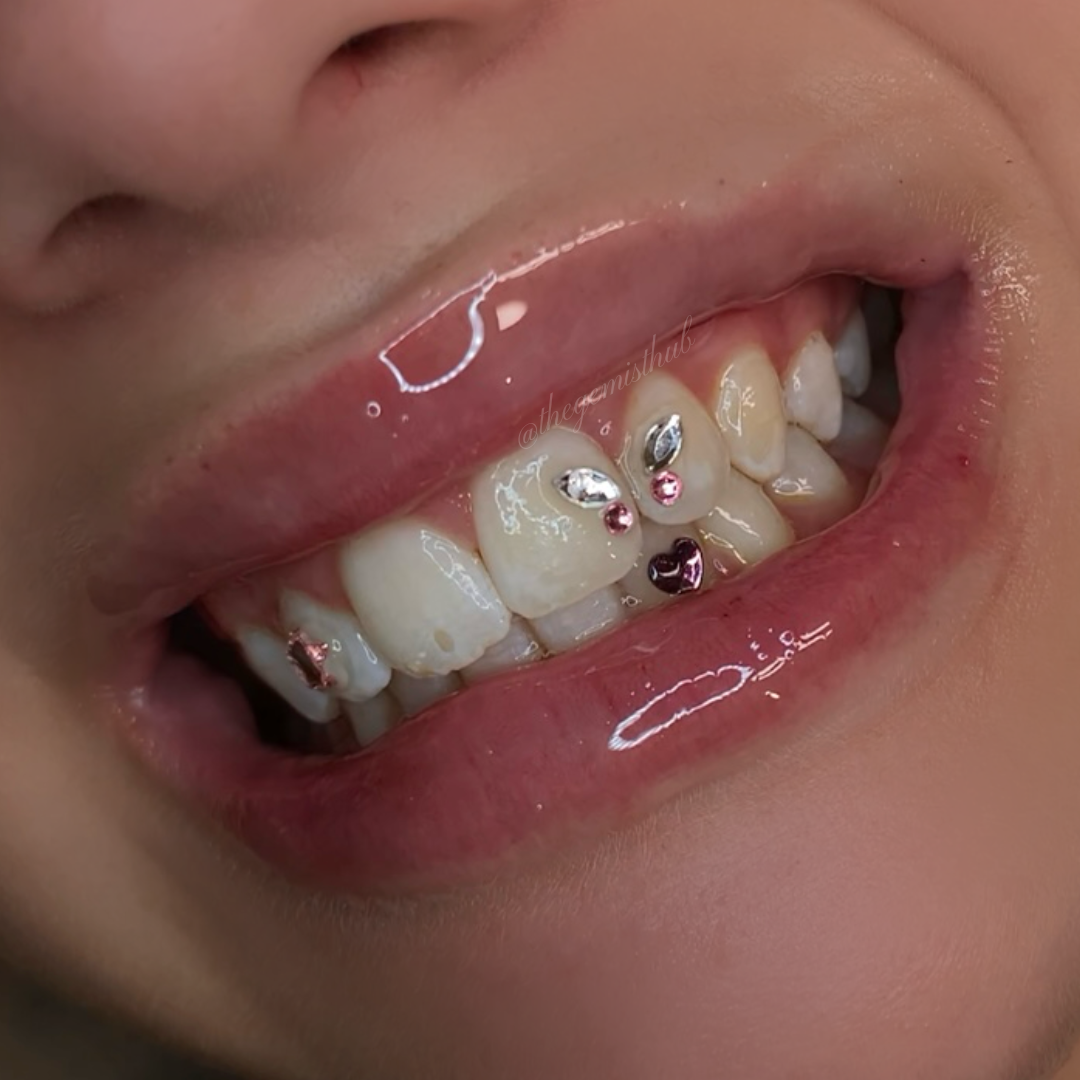

The legal landscape for tooth gem technicians in Australia exists in a regulatory grey area that creates significant risk for unprepared practitioners. While tooth gem application isn't explicitly regulated as a standalone procedure, it intersects with dental practice laws, health and safety regulations, and professional liability frameworks that carry serious consequences when ignored.
As an AHPRA-registered oral health therapist who has navigated these regulations professionally and trained over 600 technicians globally, I've witnessed the compliance confusion that leaves many practitioners unknowingly exposed to legal liability, financial penalties, and potential prosecution. This guide clarifies the current regulatory landscape, explains what's required to operate legally, and outlines the risks of non-compliance.
Current Legal Status: The Grey Area Explained
Tooth gem application occupies ambiguous legal territory in Australia. No specific legislation directly addresses "tooth gem technician" as a regulated profession, which leads many practitioners to assume no regulations apply. This assumption is dangerously incorrect.
While tooth gems aren't explicitly regulated, the procedure itself — bonding materials to tooth enamel — falls within the scope of dental procedures in most state health acts. Dental procedures are regulated activities, and performing them without appropriate credentials or outside permitted scope of practice constitutes illegal practice in most Australian jurisdictions.
The regulatory gap exists because tooth gems emerged faster than legislation. States haven't updated dental practice acts to specifically include or exclude cosmetic bonding procedures. This creates a situation where tooth gem application isn't explicitly illegal for non-dental professionals, but it's not explicitly legal either — and that ambiguity favours regulators, not practitioners, when disputes arise.
AHPRA and Dental Practice Regulations
The Australian Health Practitioner Regulation Agency (AHPRA) regulates 16 health professions, including dental practitioners (dentists, oral health therapists, dental hygienists, dental therapists, and dental prosthetists). AHPRA registration is required to legally perform "dental procedures" in Australia.
The critical question: Is tooth gem application a dental procedure?
Most state health legislation defines dental procedures broadly as any treatment, service, or operation performed on teeth, gums, or oral structures. Bonding adhesive materials to tooth enamel unambiguously fits this definition. This means tooth gem application, legally speaking, constitutes dental work — which requires AHPRA registration or direct supervision by a registered dental professional.
"The absence of specific tooth gem regulations doesn't create a legal loophole — it creates liability exposure. You're performing a dental procedure in a regulatory grey area, which means when something goes wrong, existing dental practice laws will be applied retroactively."
Non-AHPRA registered individuals applying tooth gems operate in a legal grey zone. They're not explicitly prohibited (no law says "non-dentists cannot apply tooth gems"), but they're performing procedures that fall within regulated dental practice. This distinction matters enormously when liability issues arise.
State-by-State Regulatory Variations
Dental practice regulation in Australia is primarily state-based, despite AHPRA's national framework. Each state maintains health practitioner and dental practice legislation that may interpret tooth gem application differently.
New South Wales: The Health Practitioner Regulation National Law (NSW) prohibits unregistered persons from performing dental procedures. Tooth gem application involving adhesive bonding to enamel likely constitutes a dental procedure under this framework. NSW Health has not issued specific guidance on tooth gems, leaving interpretation to legal proceedings if complaints arise.
Victoria: Similar framework under the Health Practitioner Regulation National Law (Victoria). The Dental Practice Board of Victoria has not explicitly addressed tooth gems, but the broad definition of dental practice in Victorian legislation encompasses cosmetic bonding procedures.
Queensland: Queensland Health follows AHPRA frameworks. The Health Practitioner Regulation National Law applies, with similar ambiguity regarding cosmetic dental procedures performed by non-registered practitioners.
Western Australia, South Australia, Tasmania, Northern Territory, ACT: All operate under similar national law frameworks with state-specific interpretations. None have issued explicit guidance on tooth gem legality for non-dental professionals.
This state-by-state inconsistency creates compliance complexity for mobile technicians operating across borders. A procedure that hasn't faced regulatory challenge in Queensland might trigger prosecution in New South Wales if a complaint is filed.
Professional Indemnity Insurance Requirements
Professional indemnity insurance is legally required for AHPRA-registered dental professionals. For unregistered tooth gem technicians, it's not legally mandated — but it's commercially essential and often impossible to obtain without proper training credentials.
Most Australian insurers classify tooth gem application as a dental or invasive cosmetic procedure, which requires specialised coverage. Standard public liability insurance doesn't cover professional negligence, treatment complications, or claims arising from dental procedures. You need professional indemnity insurance specifically.
The challenge: Many insurers won't issue professional indemnity policies for tooth gem services unless the applicant can demonstrate formal training, infection control competency, and dental knowledge. One-day course certificates typically don't meet insurer requirements. Comprehensive training programmes with infection control, dental anatomy, and contraindication assessment increase insurability significantly.
Operating without professional indemnity insurance exposes you to catastrophic financial liability. A single claim for tooth damage, allergic reaction, or infection could result in tens of thousands in legal costs and damages — paid personally if you're uninsured.
Hygiene and Infection Control Obligations
Regardless of AHPRA registration status, anyone performing procedures in the oral cavity must comply with infection prevention and control standards. These aren't optional guidelines — they're legal requirements under state health legislation and workplace health and safety laws.
Minimum requirements include:
- Use of sterile or single-use instruments for intraoral procedures
- Appropriate hand hygiene protocols (WHO 5 Moments)
- Personal protective equipment (gloves, masks, eye protection)
- Environmental cleaning and disinfection between clients
- Proper waste disposal for contaminated materials
- Documented infection control procedures and training
Our detailed infection prevention protocol guide covers the specific procedures, but the legal principle is clear: ignorance of infection control standards doesn't constitute a defence if cross-contamination or infection occurs.
Health department inspectors have authority to audit cosmetic service providers for infection control compliance. Non-compliance can result in closure orders, fines, and prosecution under public health legislation.
Informed Consent Documentation
Informed consent is both an ethical obligation and a legal protection. For any cosmetic dental procedure, practitioners must ensure clients understand the procedure, potential risks, alternatives, and aftercare requirements before proceeding.
Verbal consent is insufficient. Written consent documentation should cover:
- Description of the procedure and materials used
- Potential risks (tooth sensitivity, enamel damage, allergic reactions, gem loss)
- Contraindications (existing dental work, enamel defects, allergies)
- Aftercare instructions and client responsibilities
- Client acknowledgement that they've disclosed relevant medical/dental history
- Clear statement that results vary and gems may detach prematurely
Consent forms don't eliminate liability, but they demonstrate professional standards and client acknowledgement of risks — critical evidence if disputes arise. Our consultation framework guide provides templates and procedures.
Operating Legally Starts with Proper Training
Comprehensive training covering infection control, contraindications, and legal compliance is your foundation for operating defensibly within the regulatory grey area.
Explore Professional TrainingWhat Happens When Things Go Wrong: Liability Scenarios
The true test of legal compliance isn't whether you've been challenged — it's whether you're protected when problems arise. Tooth gem complications, while rare with proper technique, do occur: enamel damage, allergic reactions, infections, premature detachment, tooth sensitivity, and aesthetic dissatisfaction.
When a client experiences complications and files a complaint, several regulatory pathways open:
Civil litigation: The client sues for damages (dental repair costs, pain and suffering, lost income). You'll need professional indemnity insurance and evidence of reasonable care standards. Courts will examine your training, infection control, consent processes, and whether you operated within scope. "I took a one-day course" is not a robust defence.
Health department complaints: State health departments can investigate unlicensed dental practice. If they determine tooth gem application constitutes dental practice and you're not appropriately registered or supervised, you face prosecution under health practitioner legislation. Penalties include fines, cease-and-desist orders, and potential criminal charges for repeated violations.
Consumer protection claims: Clients can file complaints with consumer affairs agencies alleging misleading conduct, inadequate service, or breach of consumer guarantees. These investigations can result in enforceable undertakings, public warnings, and financial penalties.
Workplace health and safety prosecutions: If infection control failures cause harm, state workplace safety regulators can prosecute under WHS legislation. Penalties include substantial fines and, in severe cases, imprisonment.
Every scenario becomes significantly worse without proper training documentation, infection control procedures, consent records, and professional indemnity insurance. The legal system doesn't favour practitioners operating in grey areas without professional foundations.
Why Operating in the Grey Area Is Risky
Many tooth gem technicians operate successfully for years without regulatory challenges, which creates a false sense of security. The absence of enforcement doesn't equal legal safety — it simply means you haven't triggered a complaint yet.
The risks compound:
- Uninsurable liability: Without professional indemnity insurance, a single claim can bankrupt you personally.
- Regulatory uncertainty: Laws can be applied retroactively when complaints arise. What's tolerated today might be prosecuted tomorrow.
- Reputational damage: Public health warnings, consumer affairs listings, and legal proceedings destroy business credibility permanently.
- Financial penalties: Fines for unlicensed dental practice, infection control violations, and consumer law breaches can reach tens of thousands of dollars.
- Criminal prosecution: Repeated or egregious violations can result in criminal charges, particularly if harm occurs.
The grey area offers no protection — it's simply uncharted legal territory where existing laws will be applied when problems arise.
How Proper Training Protects You Legally
While comprehensive training doesn't grant legal immunity, it significantly reduces liability exposure and provides defensible evidence of professional standards if challenged.
Proper training demonstrates:
- Competency: You've acquired knowledge and skills through structured education, not YouTube videos.
- Infection control: You understand and implement proper hygiene protocols.
- Risk assessment: You can identify contraindications and decline unsafe applications.
- Professional standards: You operate according to established best practices, not improvised procedures.
- Insurability: Professional training makes you eligible for professional indemnity insurance.
As detailed in our guide on why dental credentials matter, training from AHPRA-registered dental professionals provides the strongest legal foundation. Courts and regulators give substantial weight to education from credentialed professionals when assessing whether practitioners met reasonable care standards.
The Case for Industry Regulation
The tooth gem industry would benefit enormously from clear regulatory frameworks that define scope of practice, training standards, and licensing requirements. Current ambiguity protects no one — not clients, not practitioners, not regulators.
Formal regulation would provide:
- Clear legal pathway for non-dental professionals to operate legitimately
- Standardised training requirements and competency assessment
- Consumer protection through practitioner registries and complaints processes
- Professional recognition and elevated industry credibility
- Reduced liability exposure for compliant practitioners
Until regulation arrives, the responsibility falls on individual practitioners to operate defensibly within the grey area. That means comprehensive training, professional indemnity insurance, rigorous infection control, informed consent documentation, and treating tooth gem application as the dental procedure it legally is — not a beauty service exempt from professional standards.
Operating Legally: Practical Steps
If you're committed to building a legitimate tooth gem business in Australia, implement these foundational protections:
- Get comprehensive training from AHPRA-registered dental professionals covering infection control, dental anatomy, contraindications, and legal compliance.
- Obtain professional indemnity insurance specifically covering tooth gem application and dental procedures.
- Register your business properly (ABN, business name, appropriate business structure).
- Implement infection control protocols compliant with national guidelines and document your procedures.
- Use written consent forms for every client covering risks, contraindications, and aftercare.
- Maintain client records documenting consultation, consent, procedure details, and aftercare instructions.
- Stay informed on regulatory developments and industry best practices.
These steps don't guarantee legal immunity, but they demonstrate professional standards and significantly reduce liability exposure if challenges arise.
The Bottom Line
The legal requirements for tooth gem technicians in Australia remain frustratingly ambiguous, but the absence of specific regulation doesn't create a legal free pass. You're performing a dental procedure that intersects with health practitioner legislation, public health laws, consumer protection frameworks, and workplace safety requirements — all of which carry substantial penalties for non-compliance.
Operating defensibly requires treating tooth gems as the professional dental service they are: comprehensive training, professional insurance, infection control compliance, informed consent, and business practices that withstand legal scrutiny. The regulatory grey area won't protect you when complications arise — professional foundations will.
Build your business on solid legal and professional ground through comprehensive training programmes that prepare you for both the procedure and the responsibility.